

















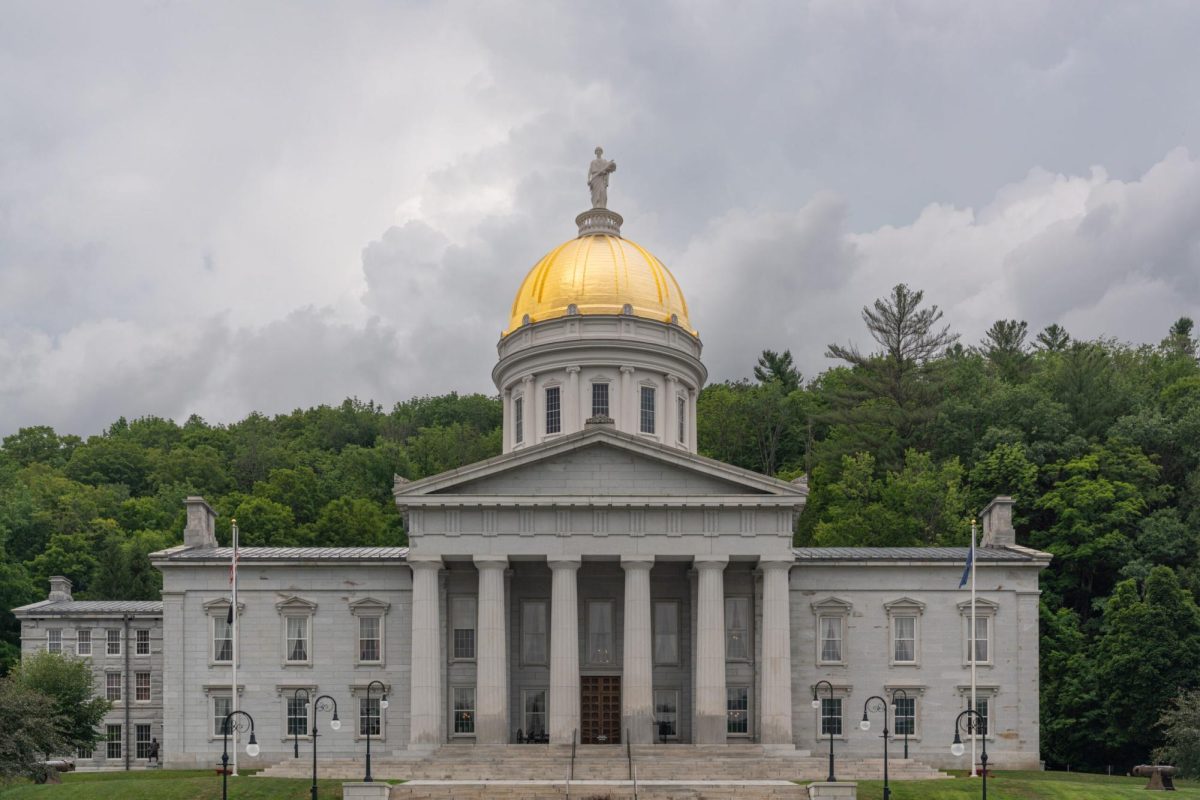
The state of Vermont is in the mist of school budget season. As of March 4th, over 80% of schools passed their proposed budgets. In total, 93 schools were able to pass their respective budgets. On the other hand, 19 school budgets did not pass, and they will have to reconstruct their budget and re-vote before the July 1 deadline.
While traditional school budgeting voting continues, the proposed Act 73 has remained in everyone’s mind. Act 73, a new educational reform law, was approved last year. Its focus is to change how Vermont’s school districts are divided up, it also aims to change tax rates, and introduce a new funding formula. Currently, the details of how Act 73 will be implemented is still being worked on. When approved, Act 73 will take effect starting in the 2028-2029 school year.
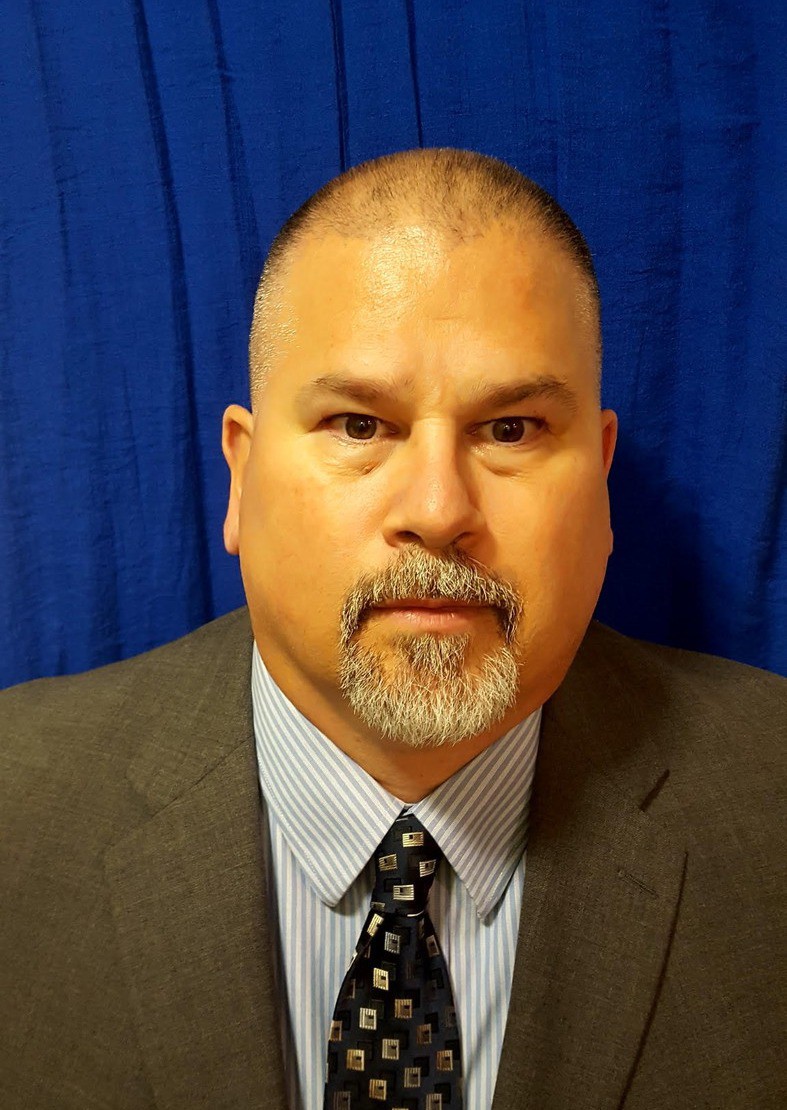
Vermont State Representative for the District of Orange-Caledonia, Joseph Parsons discussed possible educational changes. When asked about the potential tax changes and how Act 73 aims to address education funding, which will impact local property taxes. Parsons stated “I think the goal…[is to]…have the impact of it felt sooner as opposed to…, something that’s just going to slowly trickle its way in. This has been years and years in the making, and it’s hard to believe that just one piece of legislation is going to turn it around overnight.” While many want quick change, Parsons believes that many are willing to wait, stating that “I don’t think [people] want huge change overnight. It makes it really hard on school boards.” Keeping everything fair is definitely a
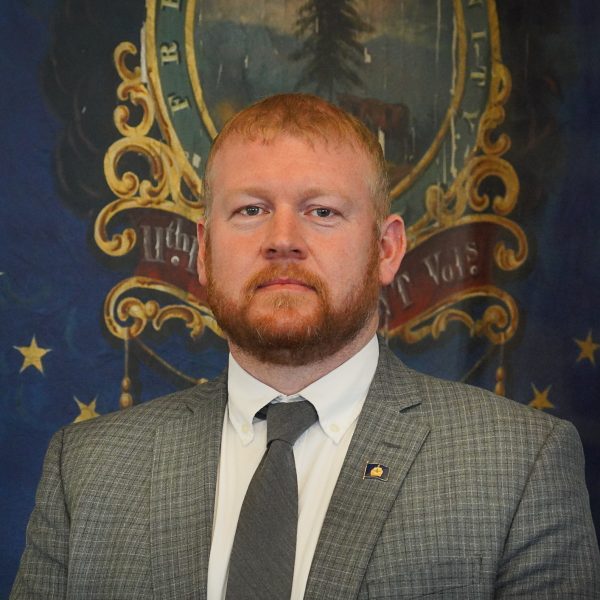
(Wayne Fawbush)
motivator for those working on Act 73.
When asked about district spending, and how the system can change, Parsons stated “I think with possible changes, like people proposing foundation formulas, that’s when you get into more of the telling districts what they can spend, and then basically anything above and beyond that would strictly be taxed at your local level. You’d have to make that up from the voters that are voting on your budget. So it wouldn’t be… you come with the whole package’ and then Montpelier figures out how [and] where to get the money to give it to you from. It would be a set number that Montpelier sends out.”
Despite all these potential changes, Act 73 is still not finalized. Currently, there are many adjustments being made. Parsons explained “A lot of people up here really don’t want to be… one way or the other on an issue, because no matter what happens, there’s going to be some people happy with it and some people who aren’t.” Having mixed opinions is a part of the legislative process, and Vermont is working to make this change as fair as can be. School improvement coordinator, Josh Souliere, understands that Act 73 is not a finished product, and speaks on what he has seen from others, stating “those who do want to see a change, I think, are kind of taking what those leaders are saying and running with it early, when the state still has work to do.” While Act 73 is still being worked on, it is important to remember that not all proposals are final.
As of now, Vermont will move on as always with the upcoming school year. Schools that have not yet voted will start voting soon, and schools whose budgets failed will work on new budgets. While change will certainly mix up Vermont’s educational system, many look forward to seeing how Act
73 can provide improvements for the future.

Joshua Thornton • Mar 19, 2026 at 9:13 am
Thanks for letting us know!!!
Mahir Patel • Mar 19, 2026 at 9:12 am
Thank you for informing me Grady Souilere! I really appreciate it.